Start Here
Four foundational guides for anyone new to crystal singing bowls, or anyone who wants to understand them more deeply.
If crystal singing bowls are new to you, this is the right place to begin. The four guides below cover everything you need to know before you start thinking about a specific purchase. They’re written for people with no prior knowledge, and they don’t assume any musical background. Read them in any order. Each one stands on its own, and together they form a complete foundation.
The Four Foundational Guides
The Ultimate Guide to Crystal Singing Bowls
The most complete introduction to crystal singing bowls on our site. This guide covers what crystal singing bowls actually are, where they came from (the surprising origin story involving silicon wafer manufacturing), the documented and reported benefits, how they’re made, how playing them affects the body, and the major factors that distinguish one bowl from another. If you’re going to read only one guide on this site, this is the one.
Best for: Anyone curious about crystal singing bowls. No prior knowledge required.
Why Crystal Tones® Alchemy Crystal Singing Bowls
Once you understand crystal singing bowls in general, the next question is usually about brand and quality. This guide explains what makes Crystal Tones Alchemy bowls specifically different from the mass-produced crystal bowls you’ll find on big-box retailers and online marketplaces. It covers the 99.999% U.S.-sourced quartz purity, the alchemy fusion process that combines precious metals and gemstones into the quartz matrix, the serialized authenticity registry, and the differences in playability and sustain you’ll feel in your hands.
Best for: People who’ve owned or heard mass-produced crystal bowls and want to understand the quality tier above them.
Tibetan Singing Bowls vs Crystal Singing Bowls
Both are called “singing bowls,” but they’re really very different instruments. Tibetan bowls are made from metal alloys and produce grounded, complex tones with non-harmonic overtones. Crystal bowls are made from quartz and produce ethereal, sustained tones with harmonic overtones. This guide walks through the materials, manufacturing processes, sound characteristics, historical origins, and best uses of each, so you can decide which kind of bowl actually fits what you’re looking for.
Best for: Anyone considering both kinds of singing bowls, or anyone curious about why crystal bowls sound so different from the Tibetan bowls they may have heard in yoga classes or sound baths.
Step-by-Step: How to Play a Crystal Singing Bowl
A beginner’s walkthrough of the actual mechanics of playing. This guide covers setting up your space, placing your bowl on the o-ring, holding the wand like a pen, striking the bowl gently to produce the initial tone, and using circular motion around the rim to create the sustained “singing” effect. It also covers the common early mistakes (pressing too hard, moving too fast, holding the wand at the wrong angle) and how to correct them.
Best for: Anyone who has a bowl (or is about to receive one) and wants to know how to actually play it confidently from the very first session.
What to Read Next
Once you’ve covered the foundations, the next step depends on where you are. If you’re thinking about buying your first bowl, head to Choosing Your Bowl, which covers the common purchasing mistakes, the intuitive selection process, the real costs to expect, and our free Purchasing Blindspot Quiz. If you already own a bowl and are thinking about adding more, head to Building Sets, which covers tuning, chord-building, and harmonic pairing.
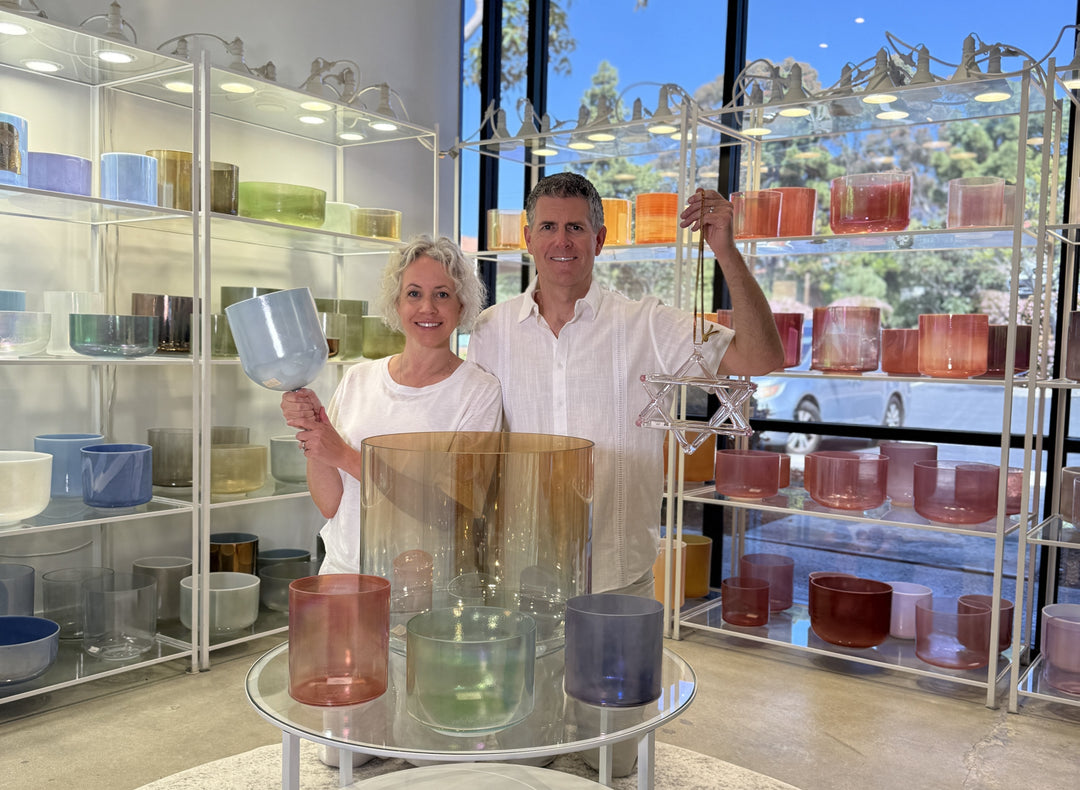
And if you’d rather just talk through your situation with someone who’s helped thousands of buyers, Catrina offers free 30-minute consultations by Zoom or in person at our Encinitas showroom.